EN
EN

How Electric Forklifts Are Changing Everyday Material Handling
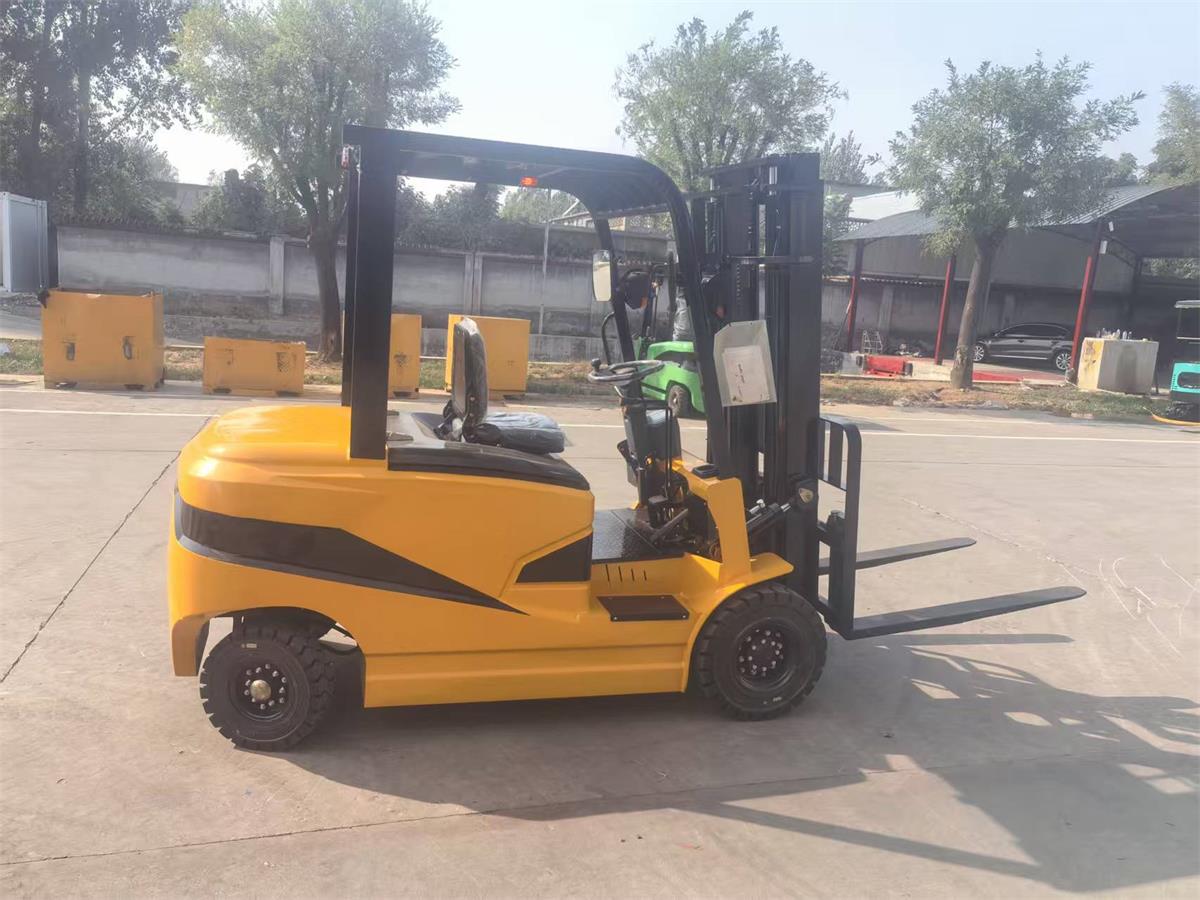
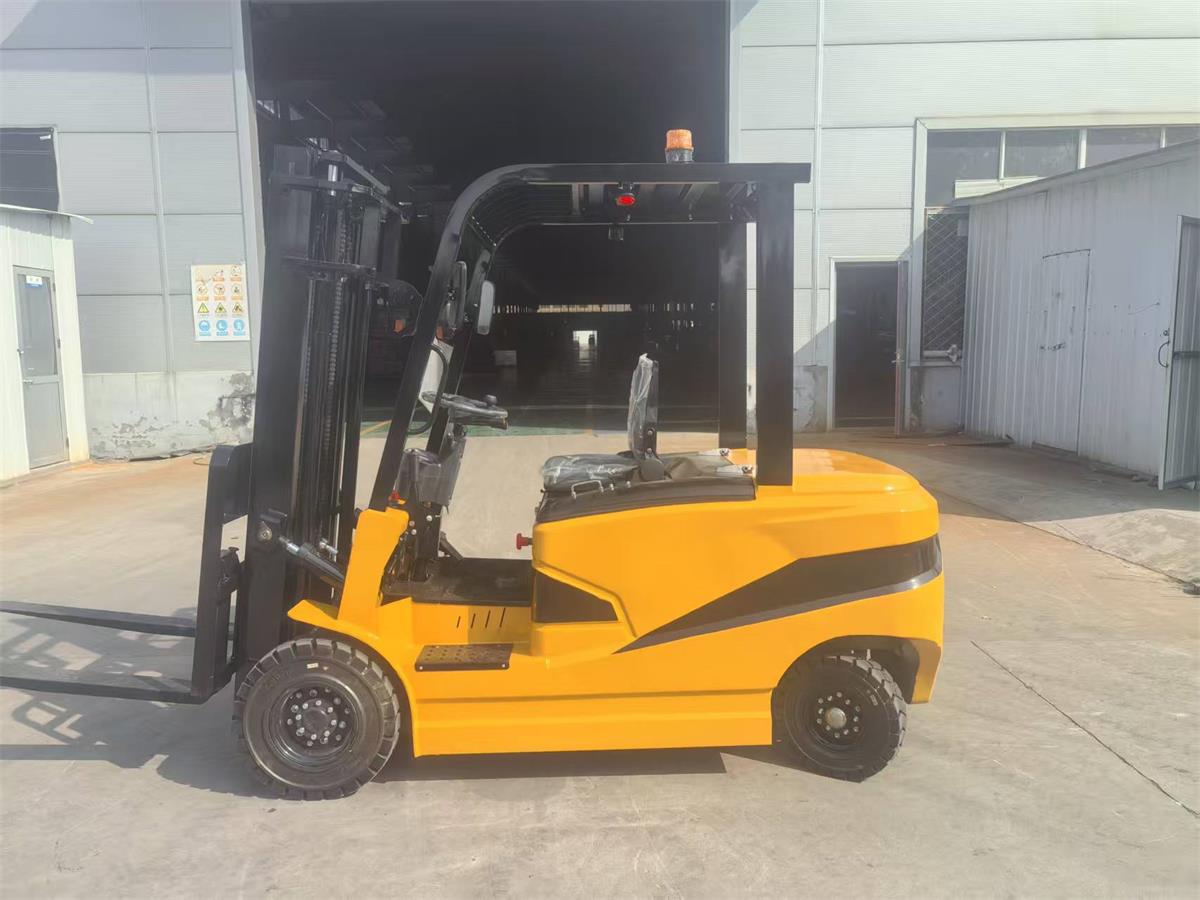
As businesses look for more flexible ways to move goods, electric forklifts are becoming an increasingly practical choice for warehouses, workshops, and distribution facilities. Instead of focusing only on lifting capacity, many operators now consider energy consumption, indoor working conditions, maneuverability, and the cost of keeping equipment in service. An electric forklift truck addresses these needs with battery-powered operation, making it a useful option for businesses that handle materials throughout the day.
More Than Moving Pallets
Material handling involves repeated tasks that can affect the speed of an entire operation. Moving incoming goods, replenishing shelves, transferring components between production areas, and preparing orders for shipment all require dependable lifting equipment. A well-matched electric forklift helps operators complete these tasks with controlled movement and accurate load positioning. For facilities with limited aisle space, choosing the right body dimensions and turning radius is especially important for maintaining an organized workflow.
Creating a Better Indoor Working Environment
Noise and exhaust emissions are important considerations in enclosed workplaces. Unlike diesel or LPG forklifts, an electric fork truck produces no direct exhaust emissions during operation and generally runs more quietly. This makes it suitable for many indoor applications where air quality and workplace comfort matter. Businesses should still assess ventilation requirements, battery charging arrangements, floor conditions, and the intensity of daily use before introducing electric lifting equipment into their facilities.
Matching Equipment to Real Working Conditions
Not every operation requires the same forklift configuration. A distribution warehouse may prioritize lifting height and maneuverability, while a manufacturing facility may need a higher load capacity and frequent movement between workstations. Battery capacity should also match the expected operating hours and available charging time. For uneven outdoor surfaces or demanding mixed-terrain work, buyers should confirm that the selected electric forklift is specifically designed for those conditions rather than assuming every model is suitable.
Building a More Practical Material Handling Plan
Investing in an electric forklift is most effective when equipment selection is based on the complete workflow. Consider the average load weight, pallet dimensions, rack height, travel distance, shift schedule, and maintenance arrangements before making a decision. Routine inspections and correct battery charging practices also help maintain dependable operation over time.
At Dongcheng Machinery, we understand that different businesses face different material handling challenges. Whether you are upgrading warehouse equipment or planning a new handling system, our team can help you explore suitable electric forklift trucks based on your load requirements, workspace, and operating needs. Contact us to discuss a solution for your business.