EN
EN

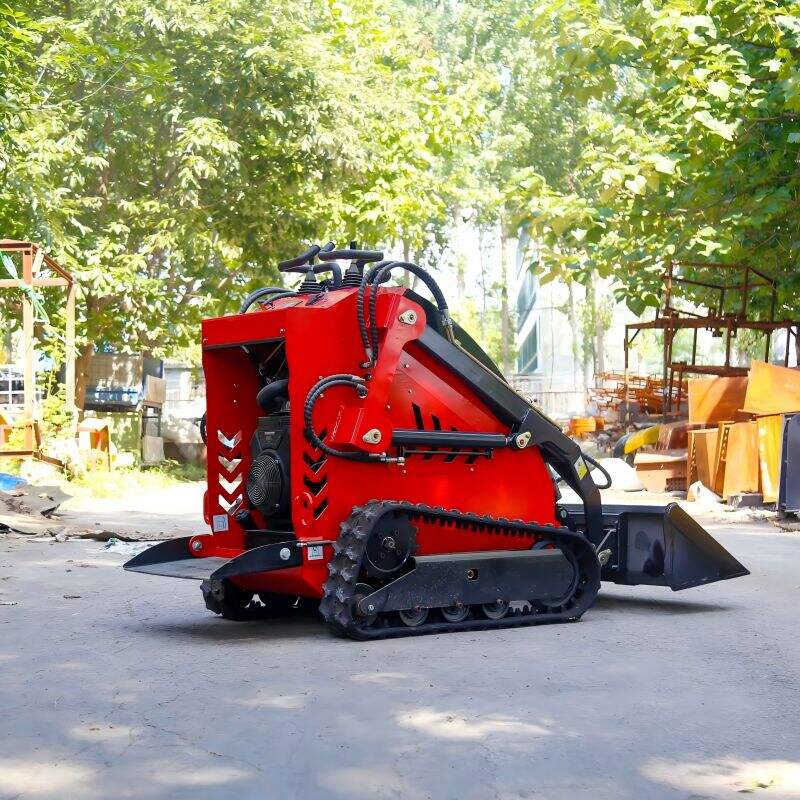
Wheel loaders are vital heavy equipment in building and other fields. They assist in lifting and transporting heavy materials such as dirt, gravel and rocks. But steering can compound it. When your wheel loader isn’t steering the way it should then it can slow you down and make things more difficult. This Dongcheng guide helps see what’s wrong with the steering and how to fix it.
Why do Wheel Loaders Actually Lose Steering?
There can be several reasons why a wheel loader has steering problems. Common issues are low hydraulic fluid. A wheel loader’s steering is actuated by hydraulic fluid. If there is insufficient fluid, the steering may be heavy or unresponsive. You also need to monitor the fluid levels. If low, top up and check if the steering is better.
Worn parts are another reason a car can have steering trouble. The steering is a tangle of moving bits. When these parts get old or stop working properly, they might not function so well anymore. For example, the steering cylinder may get worn as it ages. The steering take-up can be muddy when this occurs. You’ll want to inspect them during regular maintenance, as well, so that you can catch wear early.
Early girls had the steering linkage out in front, and sometimes there are problems with it. This is the system that links the steering wheel to the wheels. If its damaged or out of alignment, it can also be a source of trouble. For instance, if a joint is sloppy or a rod bent, the steering may not react as desired. Inspection of the linkage is the necessary key to smooth operation.
There also might be issues with the tire. The wheel loader may steer differently if the tires are under-inflated or unevenly worn. Make certain to check your tires once in awhile. Its an ignored element, which has a drastic effect on the steering.
How To Do Wheel Loader Steering Problem Troubleshooting The Right Way
If you realize that your wheel loader is not steering properly, then here are a few things to consider before it’s too late. Begin by making sure the hydraulic fluid is full. unscrew cap and peek into reservoir. If you find that the fluid level inside of your hoist is low, pour in the required hydraulic oil type. Be sure to inspect for leaks too. If you notice leaking, that may indicate the presence of a larger issue.
Next look over the steering. Visually check steering cylinder and linkage for wear or damage. If there are cracks or rust, it could be time to change those pieces. Occasionally, a loose bolt might be the source of steering woes, so check for everything to be nice and loosened up.
Don’t forget about the tires! Inspect them for uneven wear and check their pressure. Replace the tires if they are low on air or tread. Good steering can only be attributed to proper tire maintenance.
If the steering remains poor after inspecting all these areas, it could be a good time to discuss with an expert. They can also conduct more sophisticated diagnostics to uncover hidden problems. And you know what, frequent maintenance may stop a lot of steering issues. Maintaining your wheel loader in good shape can ensure that you have a productive and safe work week. Dongcheng would like to help you with your industrial needs and keep your equipment good running.
Wheel Loader Steering Problems Explained
Steering is very important when it comes to using wheel loaders. Poor steering can make it difficult to move a machine where you want it to go. There are several typical issues that you can experience with wheel loader steering. Another major problem is when the steering becomes heavy, or difficult to turn. This may indicate a lack of fluid in the steering system. The fluid keeps the steering system lubricated and operating properly. If it’s low, it may be time to start looking for leaks. The fluid can leak out, and then the steering stops working properly.
Another issue is where the wheel loader does not track straight. You can tell if the loader is pulling to one side, it might be a symptom of uneven tire pressure. Make sure the tires are all equally inflated. If the tires check out, there might be a problem with the steering linkage or alignment. This may occur if the loader has struck a hard object, or not been maintained properly while in use for an extended period of time.
Occasionally, the steering system is making some sort of noise when you turn the wheel. It might be a sign that parts in the steering system are showing signs of wear or damage. If you pass off these noises, it may result in larger issues later that will cost more to repair. You’ll do a better job of caring for your wheel loader and keeping it in good operating condition when you know what to look for in these steering problems.
What Steering Repair Parts Are Offered for Wheel Loaders in Wholesale?
When it comes to troubleshooting compact skid loader steering issues, there are a number of solutions can be easily obtainable. When you see that anything is off with your wheel loader steering, you should act fast. The most straightforward ones are to replace your steering components. We are here to bring you some of the parts from Dongcheng that can assist in repairing your loader. These components consist of: steering pumps, cylinders and hoses. In most cases you can purchase these parts in large quantities, ensuring that you will save money.
Another would be to seek professional assistance. If you’re unsure what’s amiss with the steering, or if the necessary repairs appear to be too complex, it’s wise to summon a professional. Many firms like Dongcheng also offer to repair wheel loader. A trained tech can figure out what the problem is and fix it properly. That way, you’ll know that the job is being done right and your loader will be up and running again.
It may also be worth taking a look at upgrading your steering system. If you own an older wheel loader, it’ll be filled with old parts that aren’t operating at peak effectiveness. It might also make sense to upgrade to a new technology that allows your loader to steer better. Dongcheng has state-of-the-art answers that can help your steering part run better and last longer. No matter whether you need parts or professional advice, there are several options to ensure that your wheel loader steering is in top condition.
How to Preserve Your Wheel Loader Steering System for Maximum Production
It’s important to maintain your wheel loader’s steering system in order to keep it it performing well. First and foremost, make sure to look at the fluid levels in your steering system. The steering fluid must be at the proper level in order to assist with smooth steering. If the fluid seems to be low on your table saw lubricate it with the appropriate type of fluid Dongcheng advises. You should also inspect for leaks around the hoses and connections. If you spot any leaks, have them repaired immediately to avoid losing additional fluid.
The other major aspect of maintaining your bike is checking the tires. Just ensure they are inflated and not too worn. Unequal tire pressure can lead to steering issues. If they are showing any worn or damage, replace them immediately. Not only is this going to assist in steering, it’s also going to help the loader be a little safer for you.
Regular inspection of the steering parts is also important. Search for any wear, such as cracks and breaks in the steering linkage or other components. If something looks off, it’s best to swap out the part before it gives you more trouble. Dongcheng is a maker of heavy duty parts, and only sells high quality products made to last for your wheel loader.
Lastly, don’t forget about cleaning. The steering system must be kept clean to avoid dirt, debris causing problems. Wipe down the parts and ensure there’s nothing stuck in its marsh. You can make sure the steering system of your wheel loader serves you optimally for a long time by embracing these maintenance considerations. Regular maintenance will prevent you from overspending on repairs while ensuring that your loader is running smoothly.